Naso Art Journal is structured around a core commitment to original, in-house writing developed through sustained research, close reading, and long-form narrative construction. Rather than operating as a platform for aggregation or surface-level commentary, the journal functions as an editorial space where ideas are cultivated over time, allowing artistic practices, historical trajectories, and contemporary conditions to be examined with depth, precision, and contextual care.
Writing is treated as a form of cultural production in its own right, with each text conceived not only as a response to artworks or events, but as a contribution to the intellectual and critical infrastructure through which MENA artistic practices are read, taught, and circulated within both regional and international contexts.
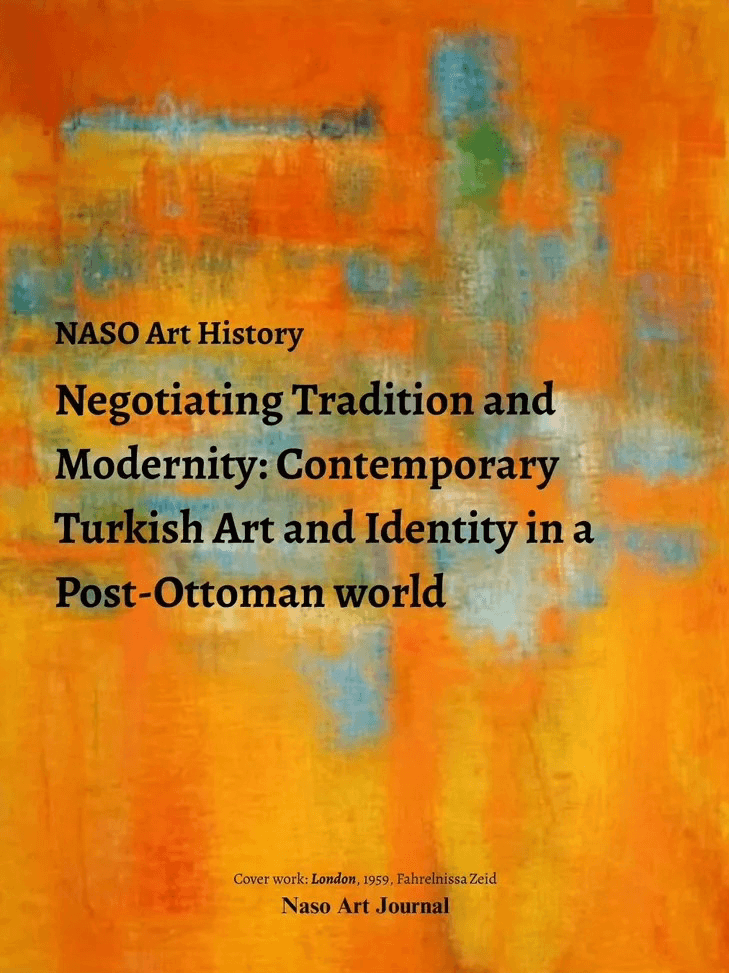
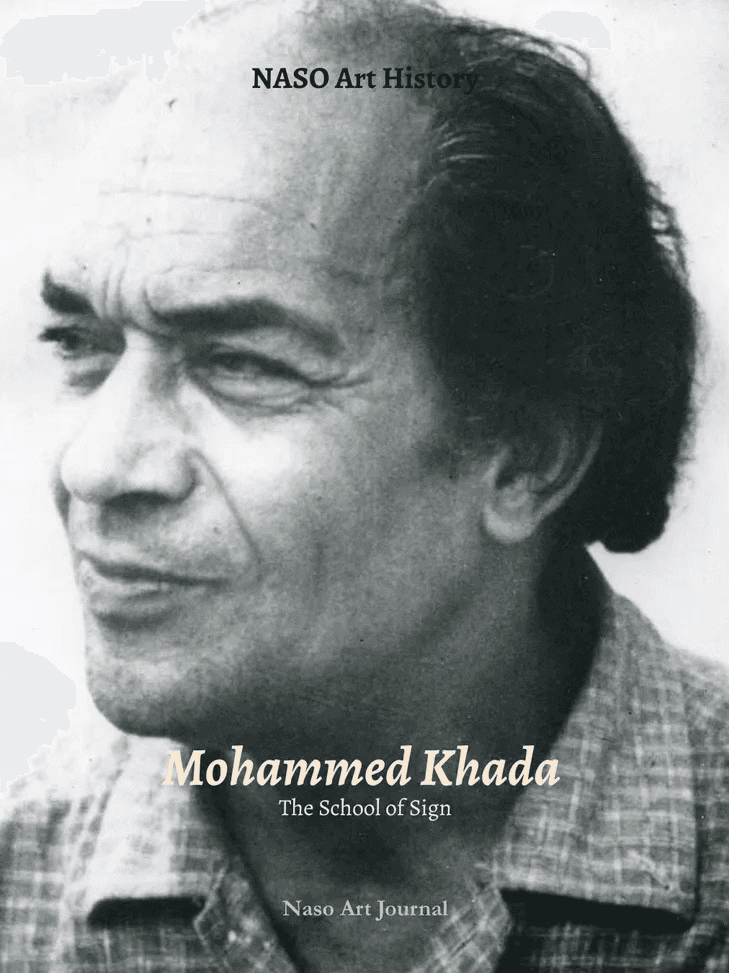
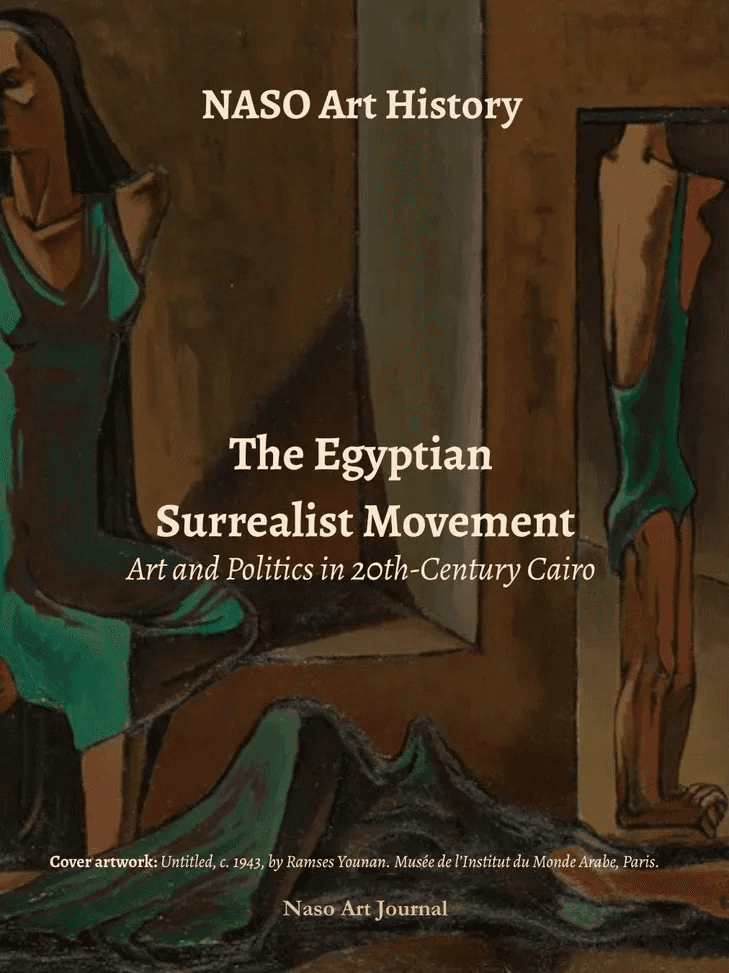
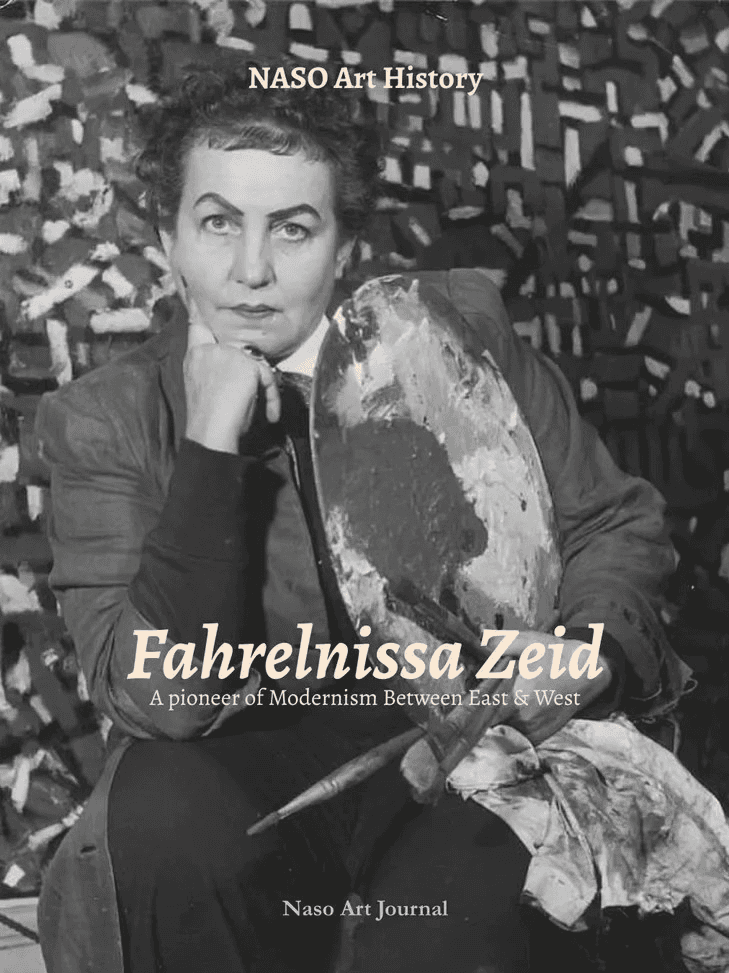
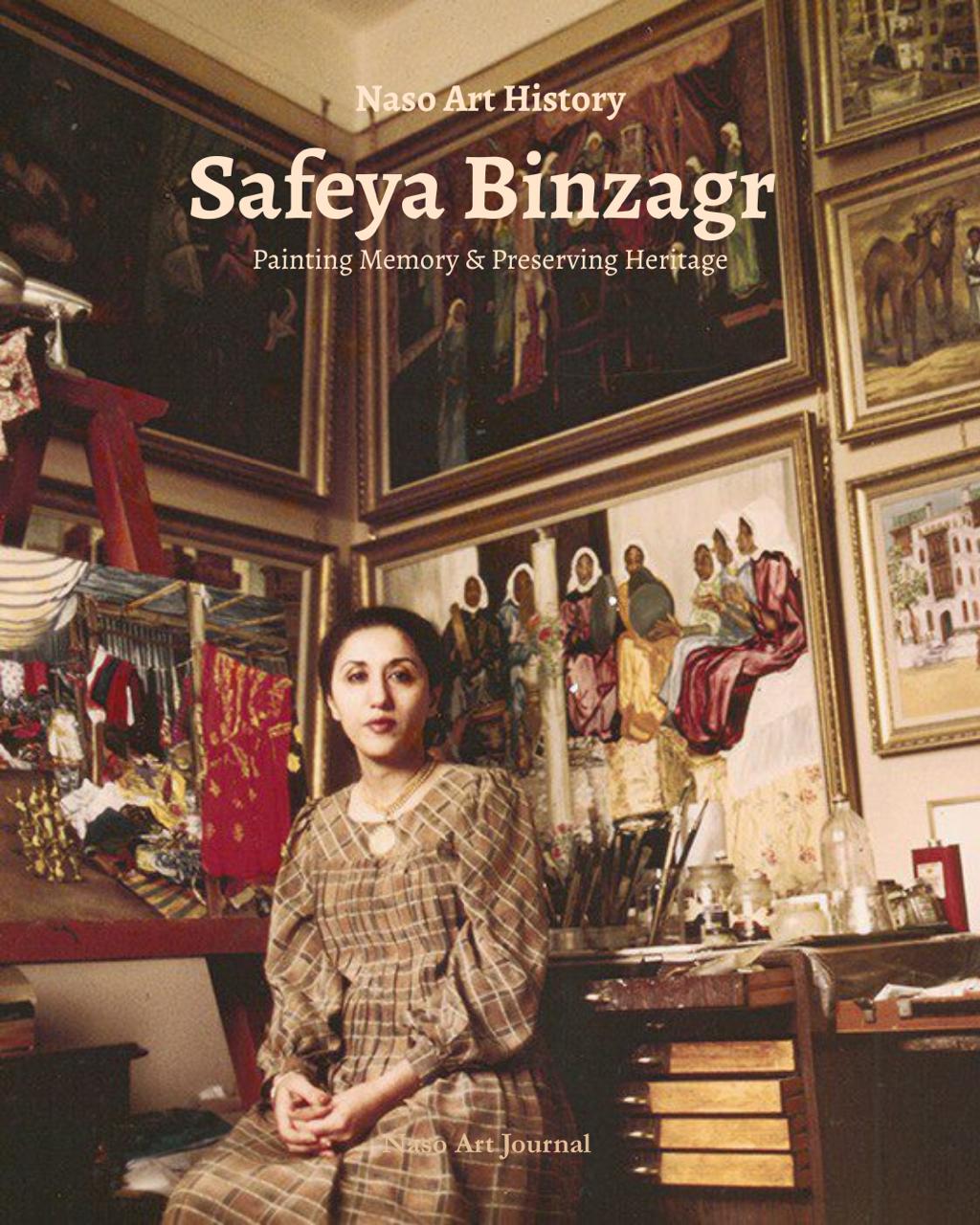
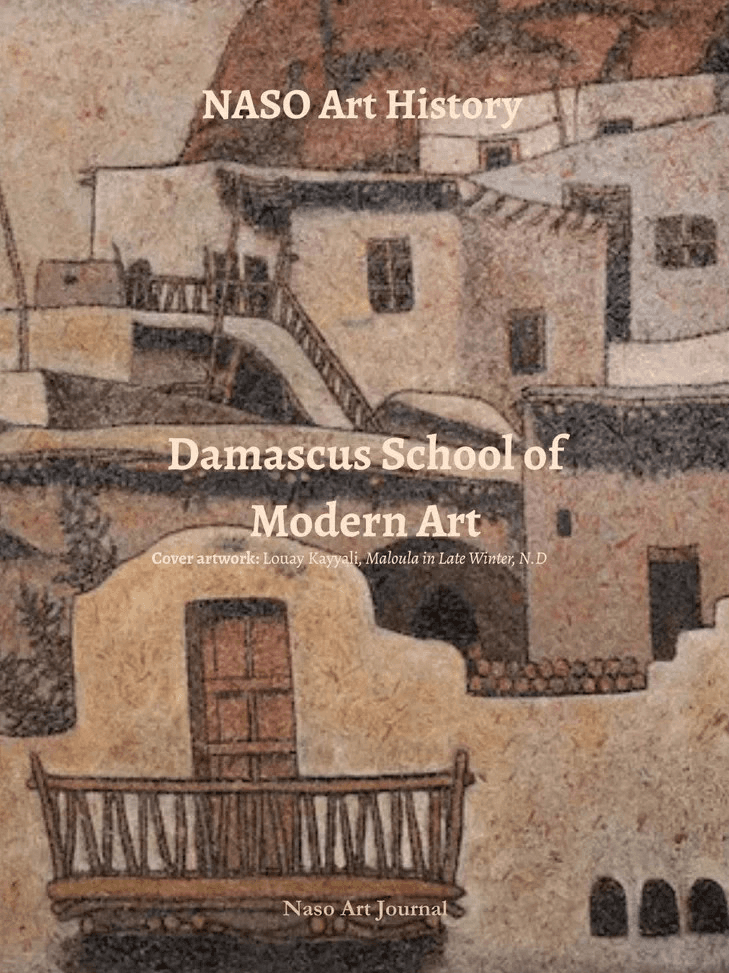
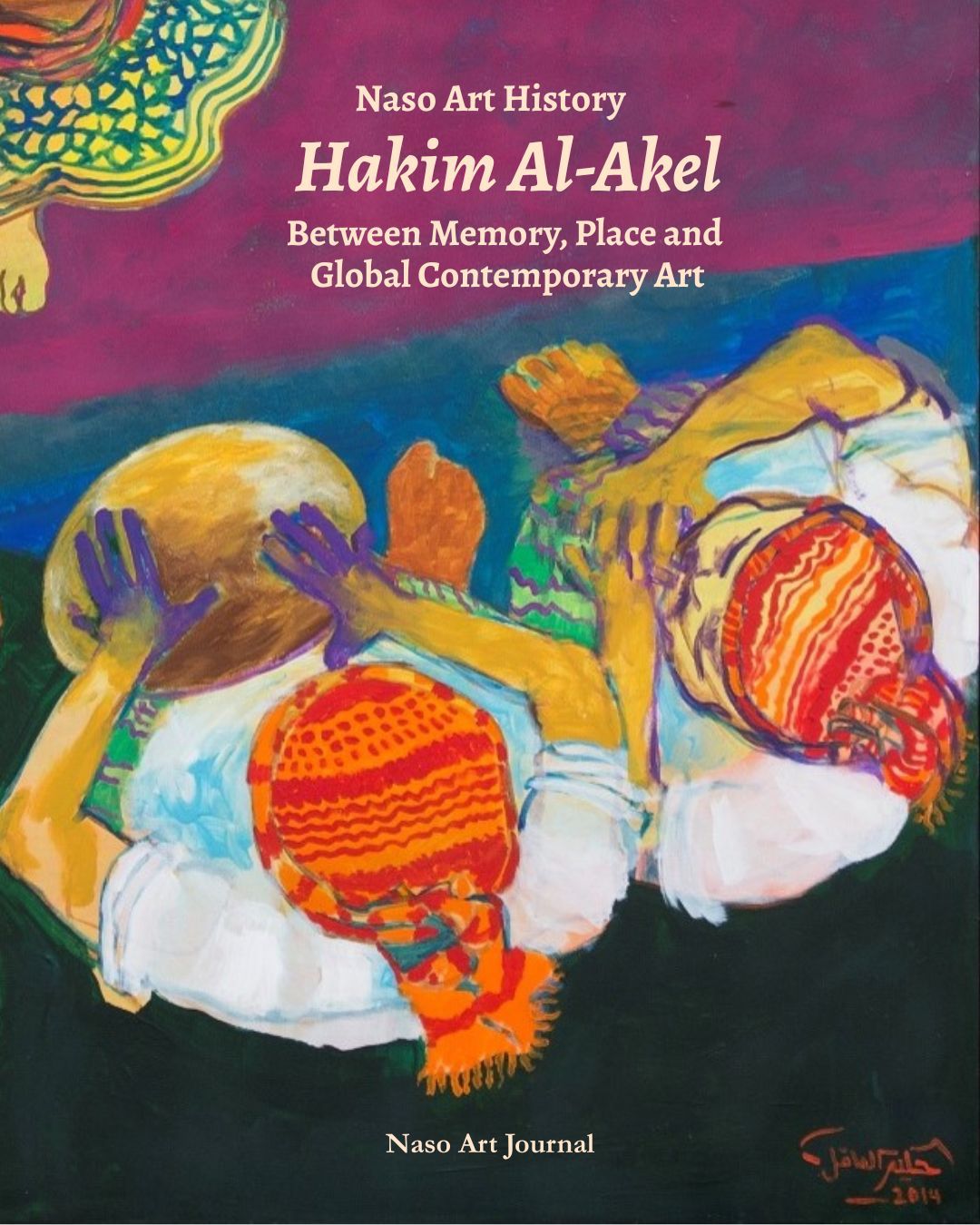
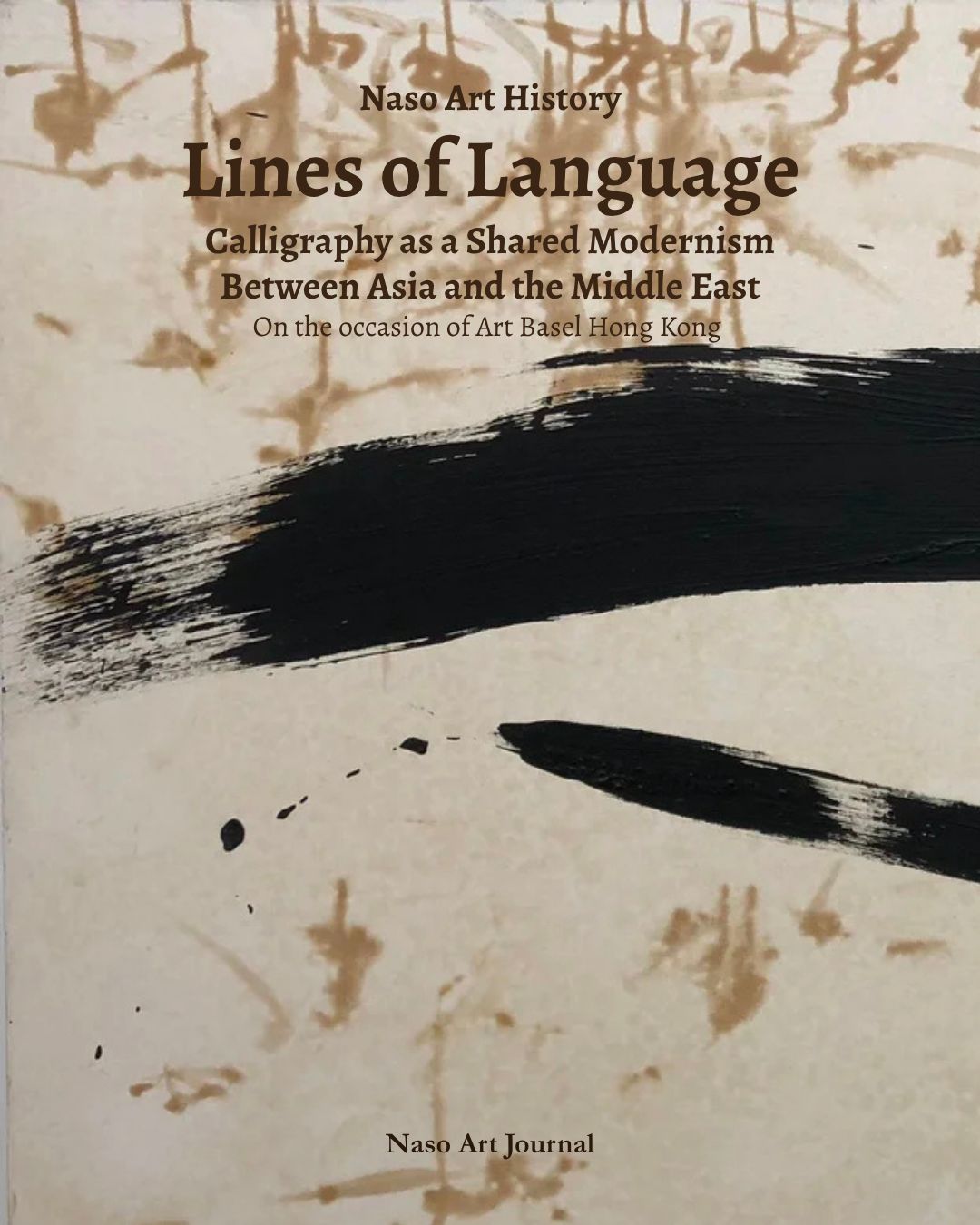
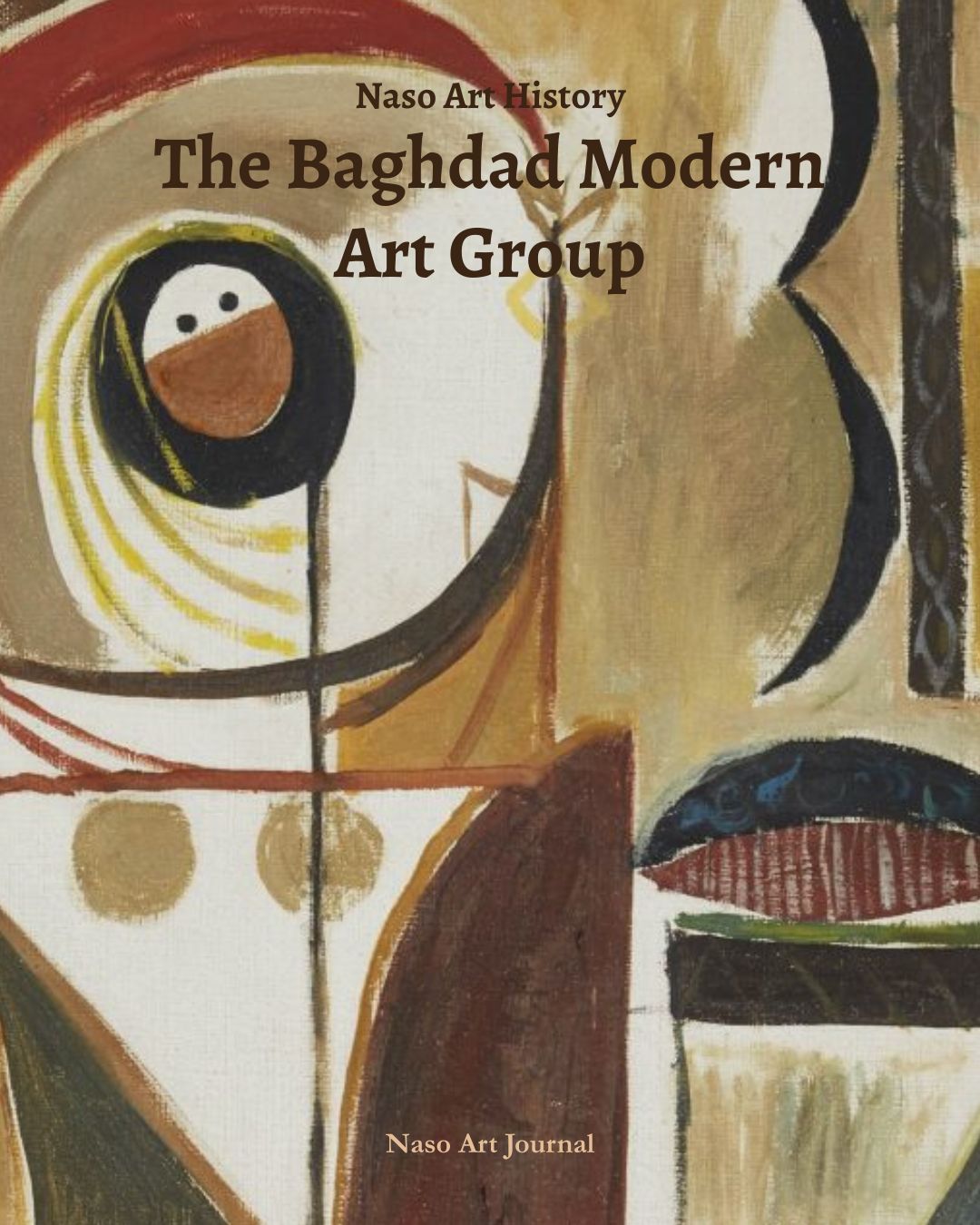
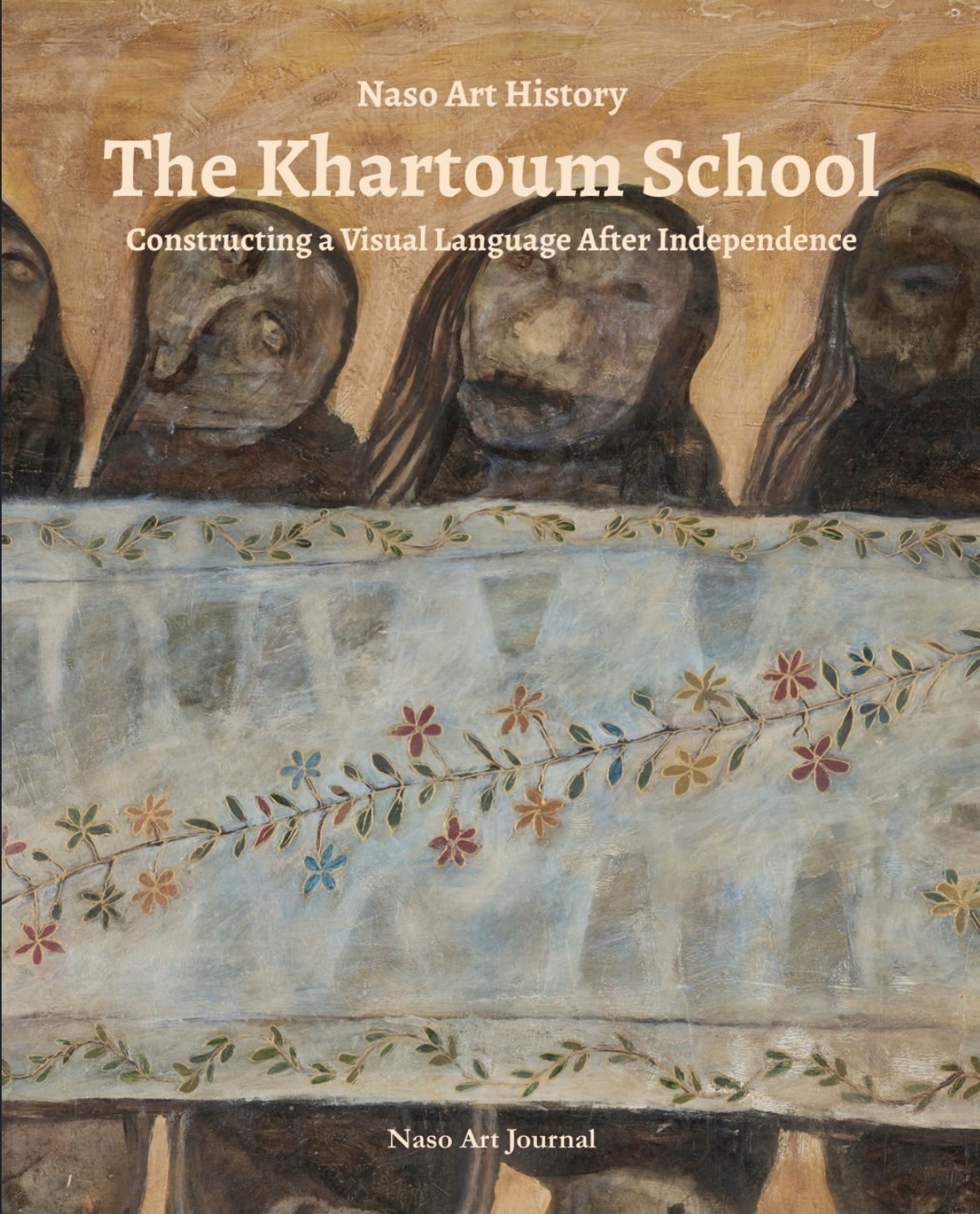
The journal’s Art History segment is dedicated to building accessible yet rigorous critical histories of the region’s artistic lineages. Through essays, profiles, and archival research, it introduces key MENA artists, pioneers, and movements, situating their work within broader social, political, and aesthetic frameworks.
Rather than presenting history as a fixed canon, this segment approaches it as an evolving field of inquiry - open to revision, recovery, and re contextualization - translating scholarly research into clear, engaging narratives that function as a public-facing resource for students, practitioners, and readers seeking sustained knowledge beyond institutional or academic gatekeeping.
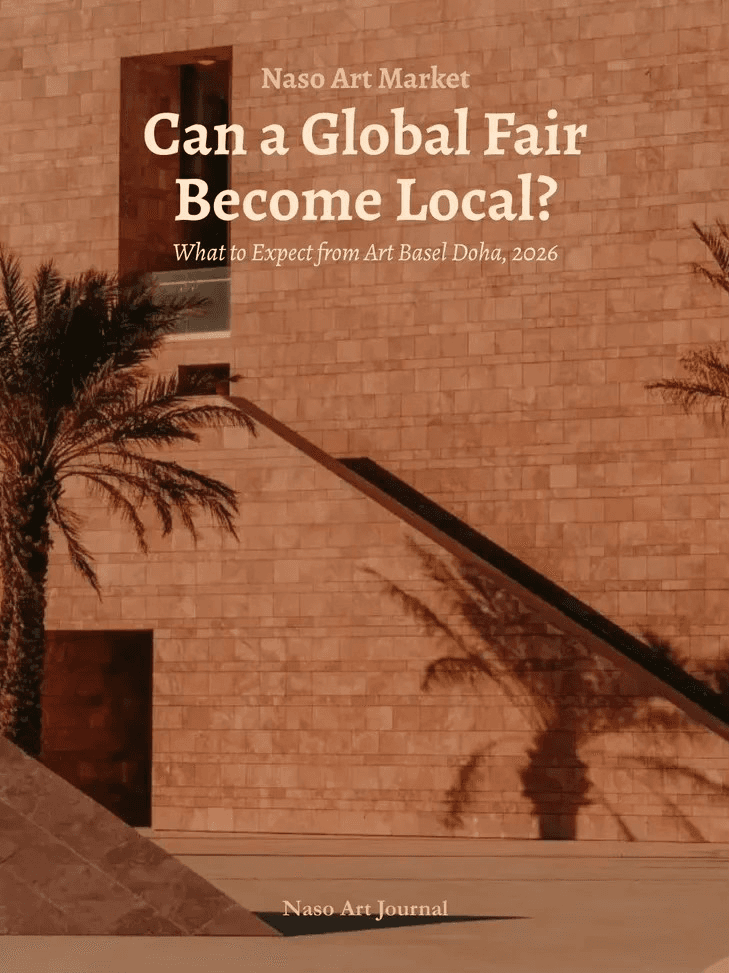
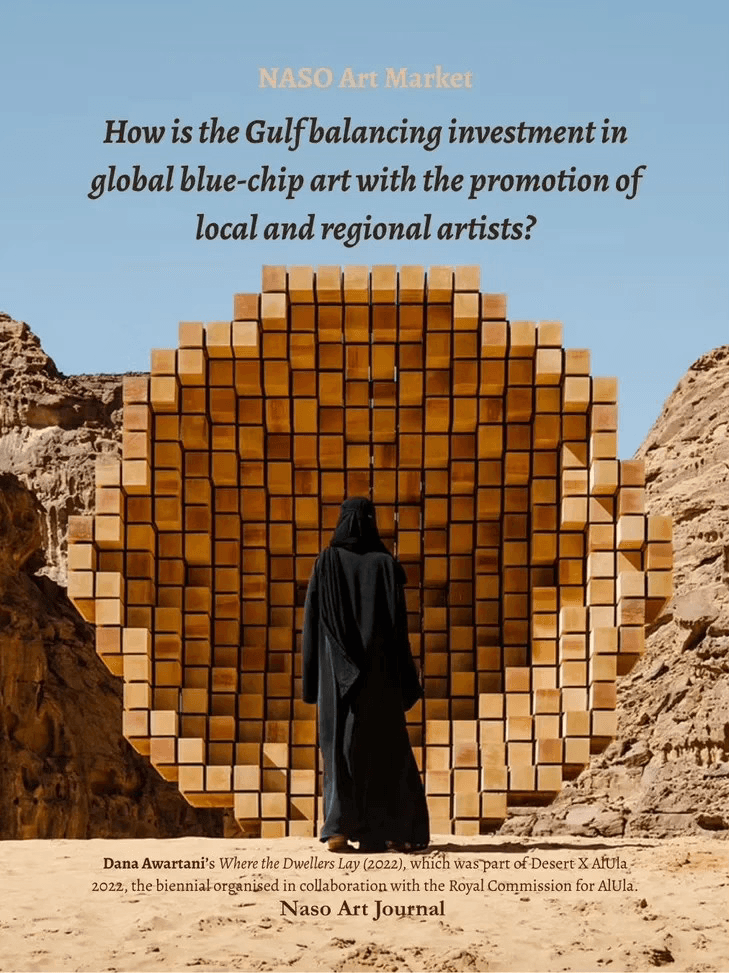
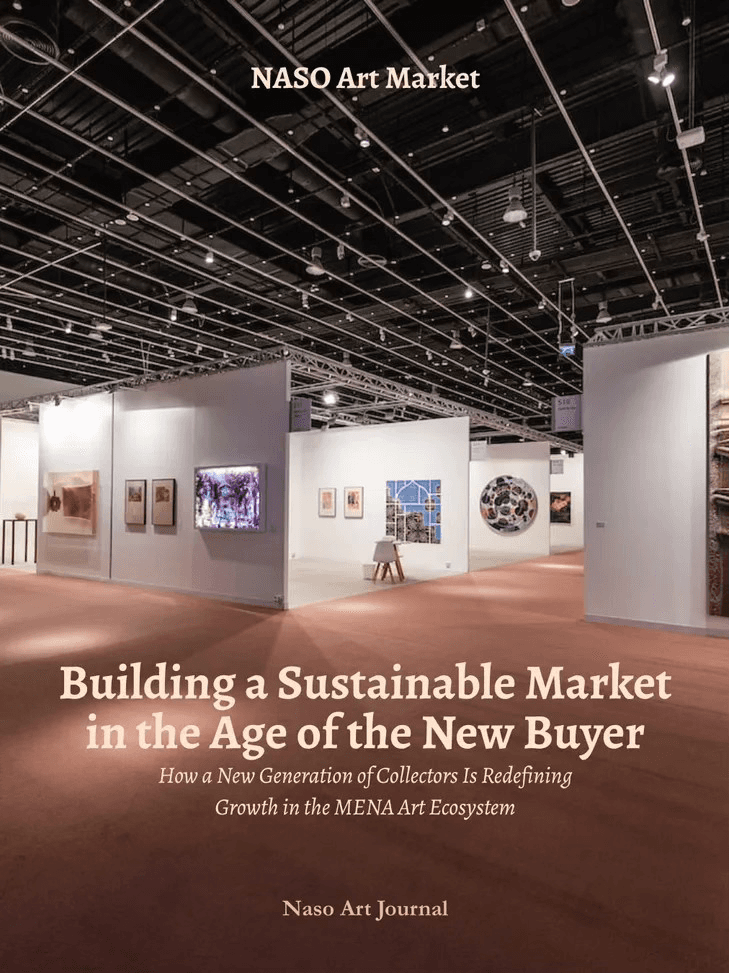
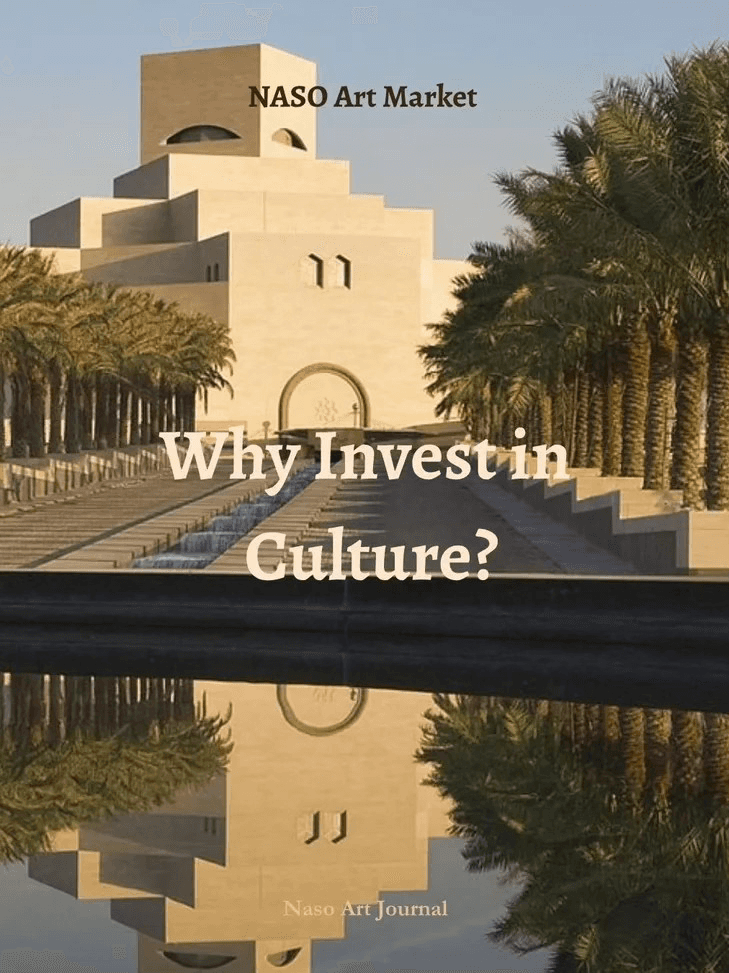
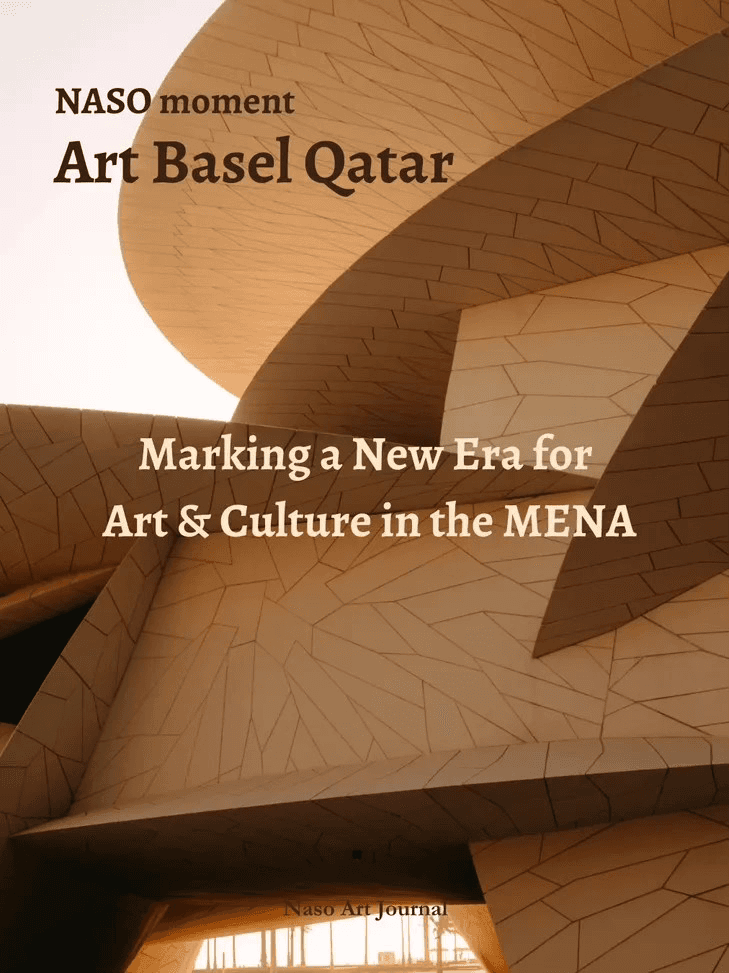
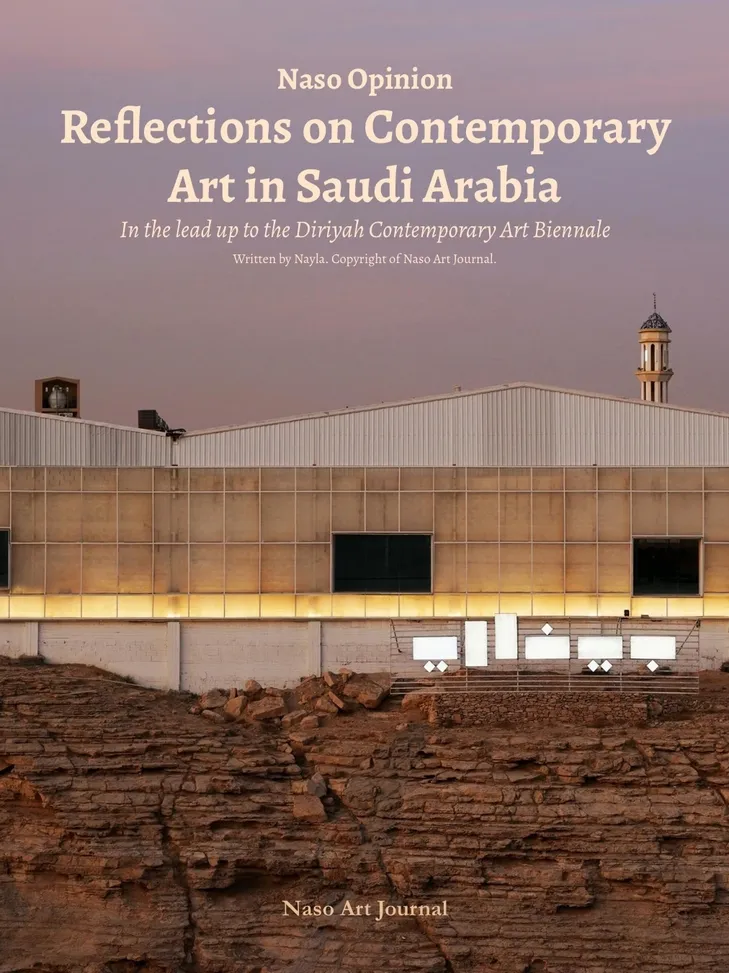
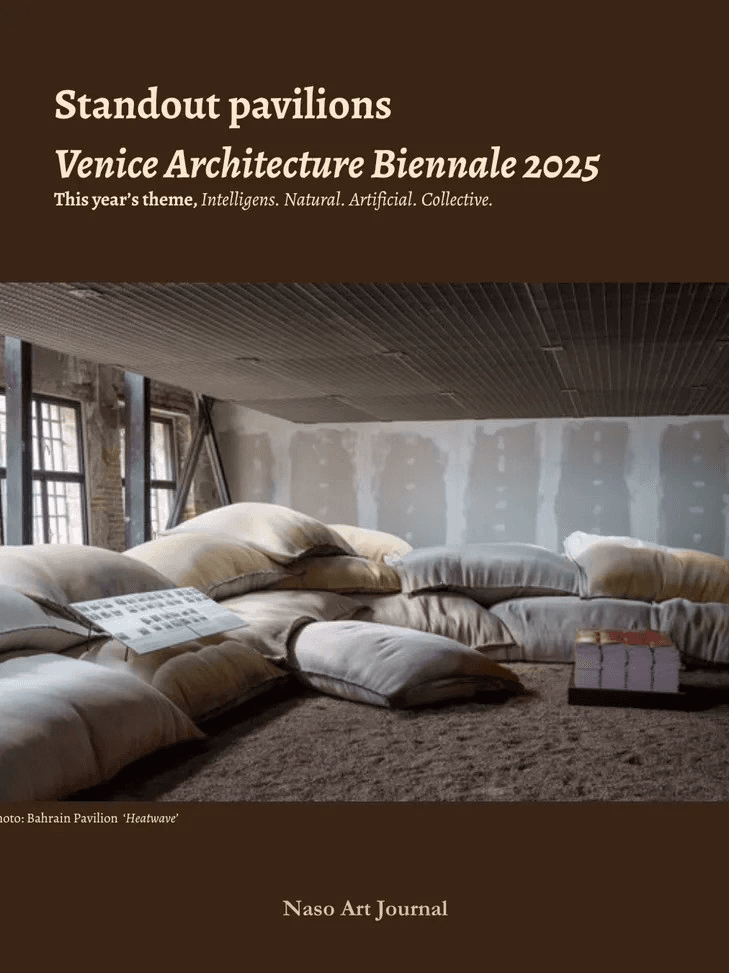
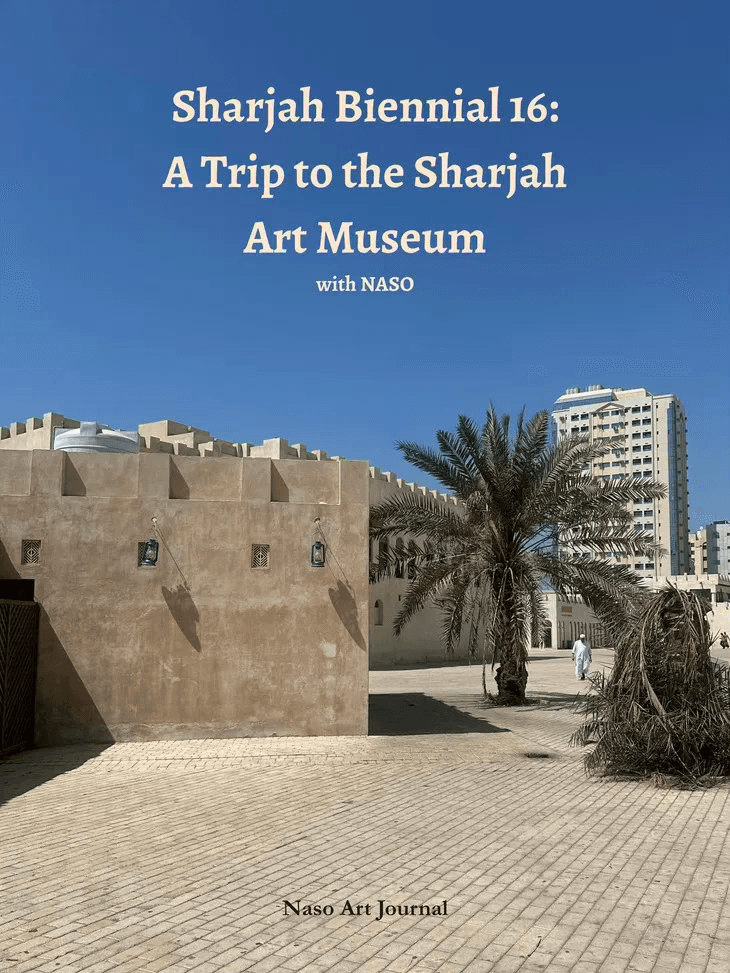
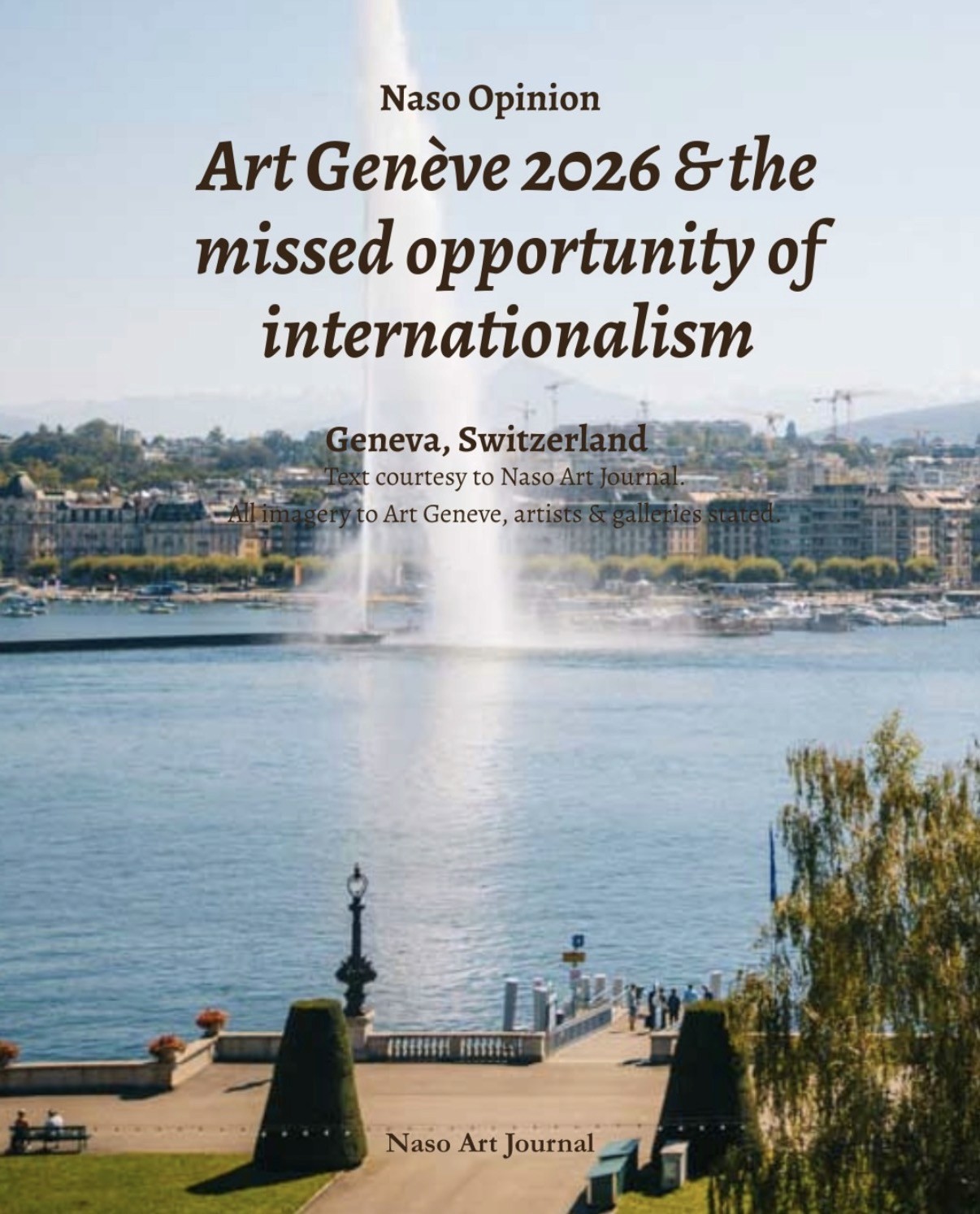
Alongside this historical foundation, the journal engages contemporary conditions through its Art Market and Perspectives segments, examining how artistic value, visibility, and circulation are produced on the global stage. Through analytical reporting, critical essays, and curated contributions from artists, writers, researchers, and cultural practitioners, Naso creates a space for plural voices and situated knowledge to enter into dialogue with broader systems of power, access, and representation. Opinion pieces and highlights are framed as considered positions rather than reactive commentary, ensuring that cultural debate unfolds through clarity of argument and depth of reflection rather than accelerated discourse.
Original Writing
Art History
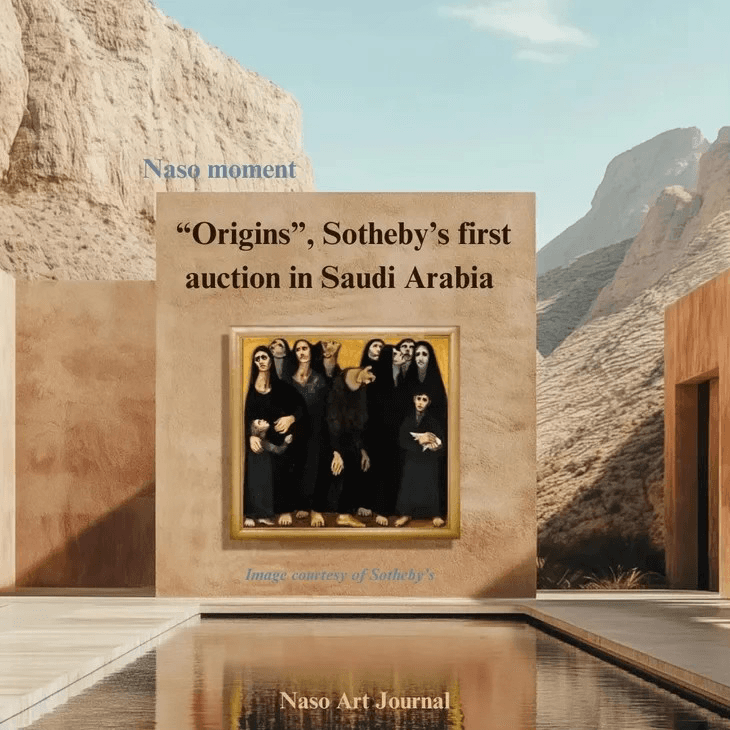
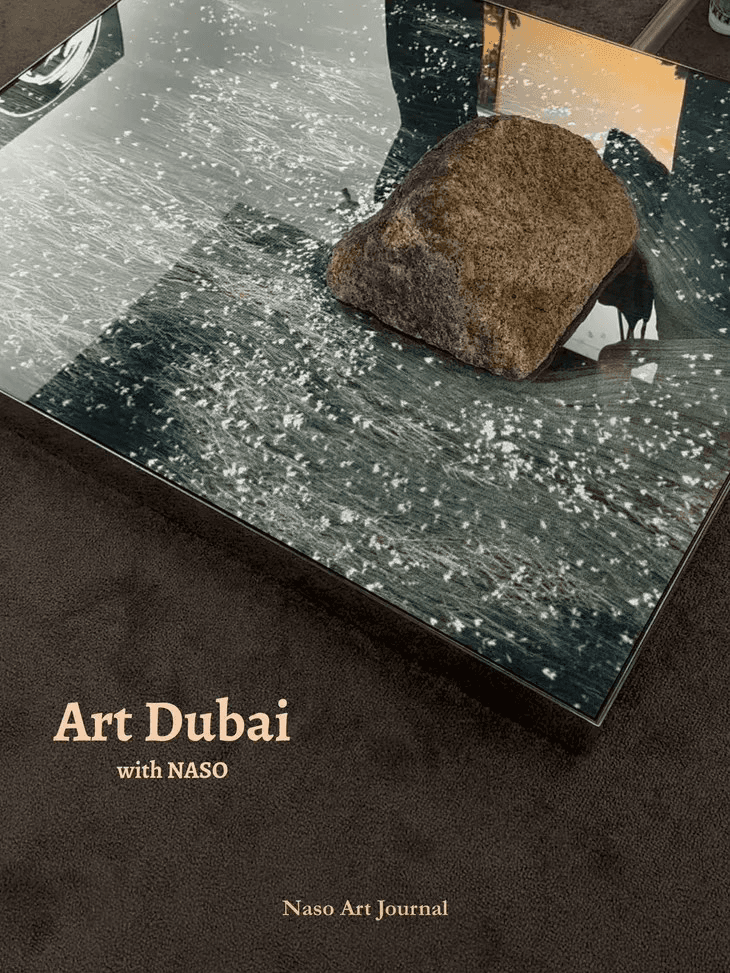
Art Market and Perspectives
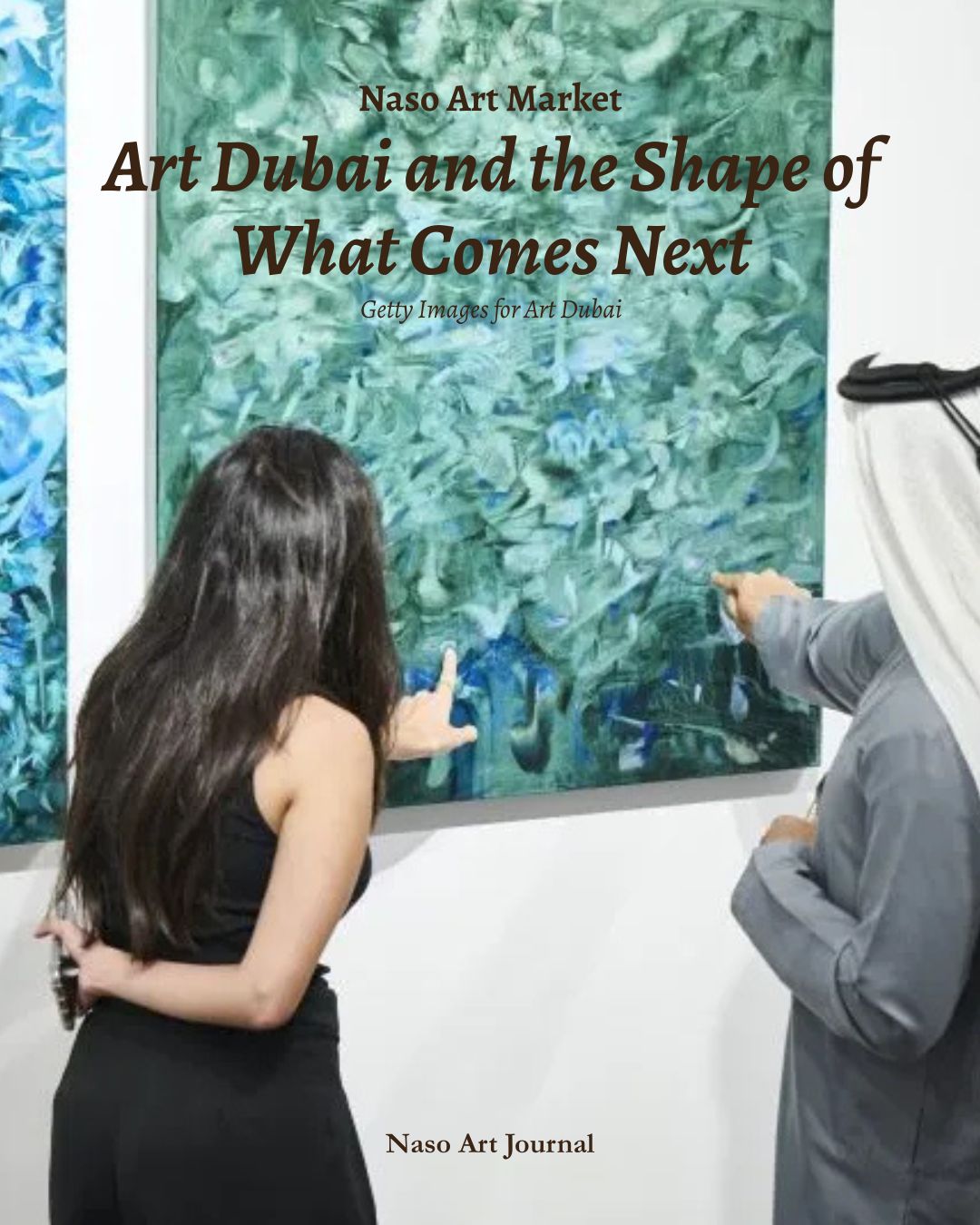
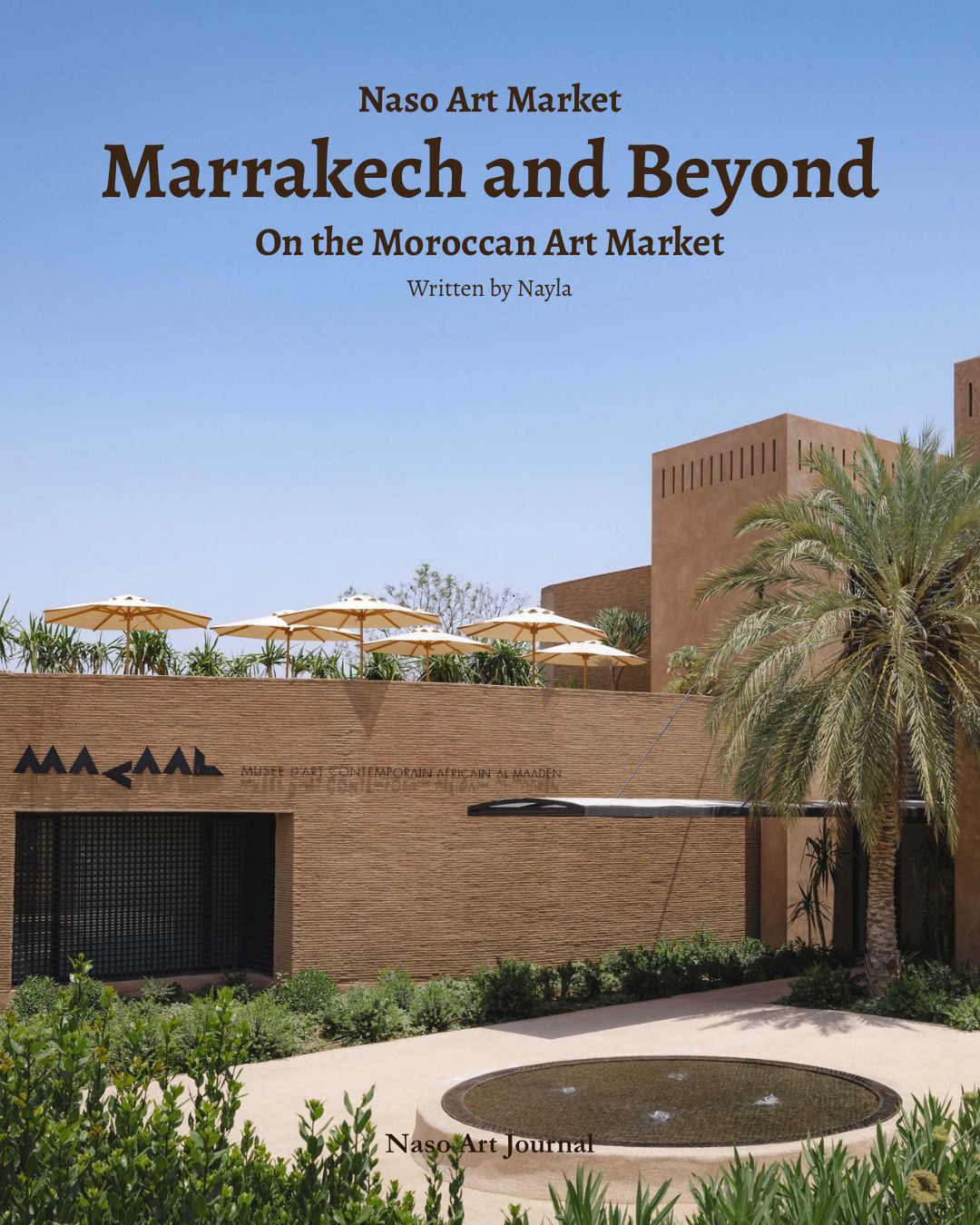
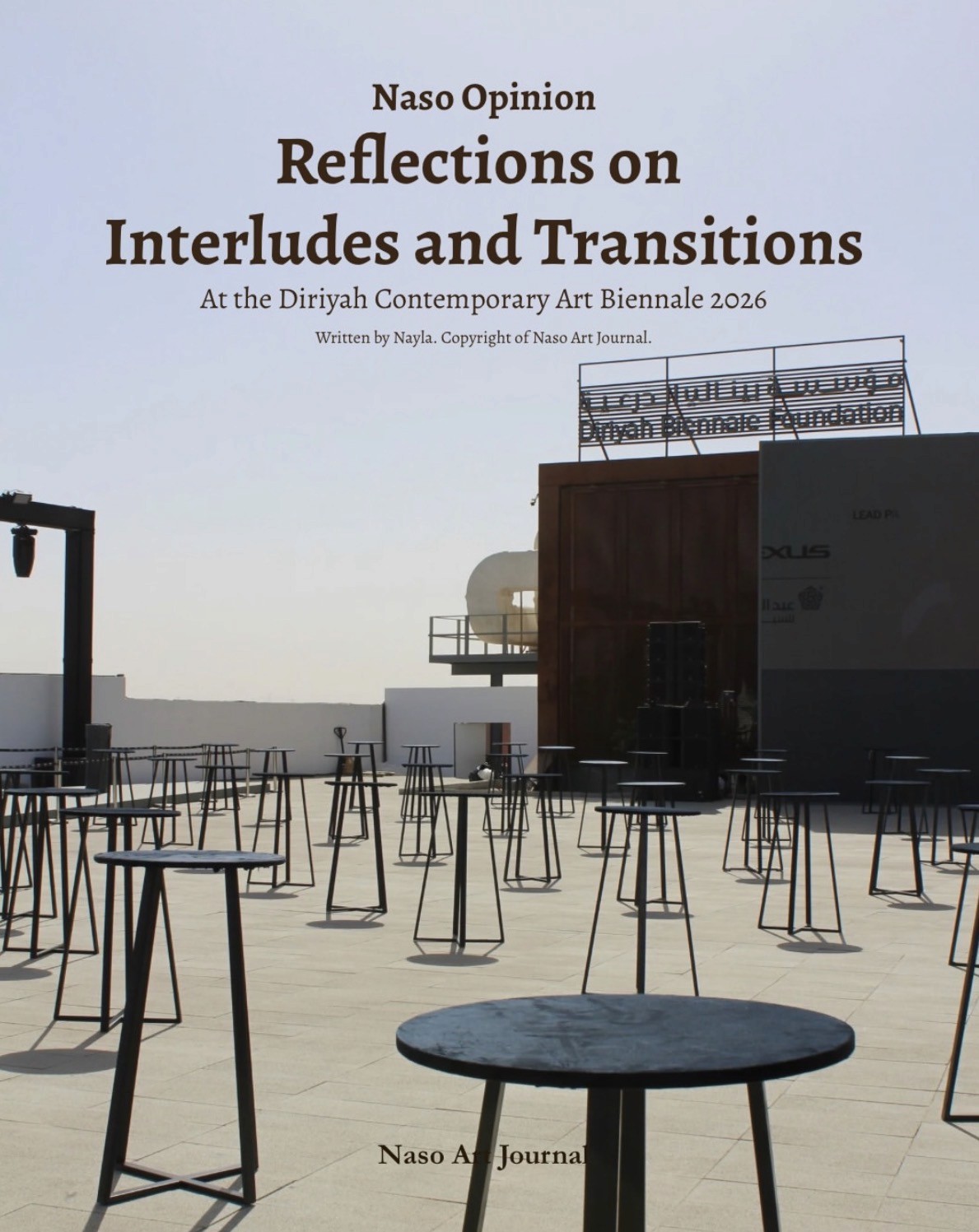
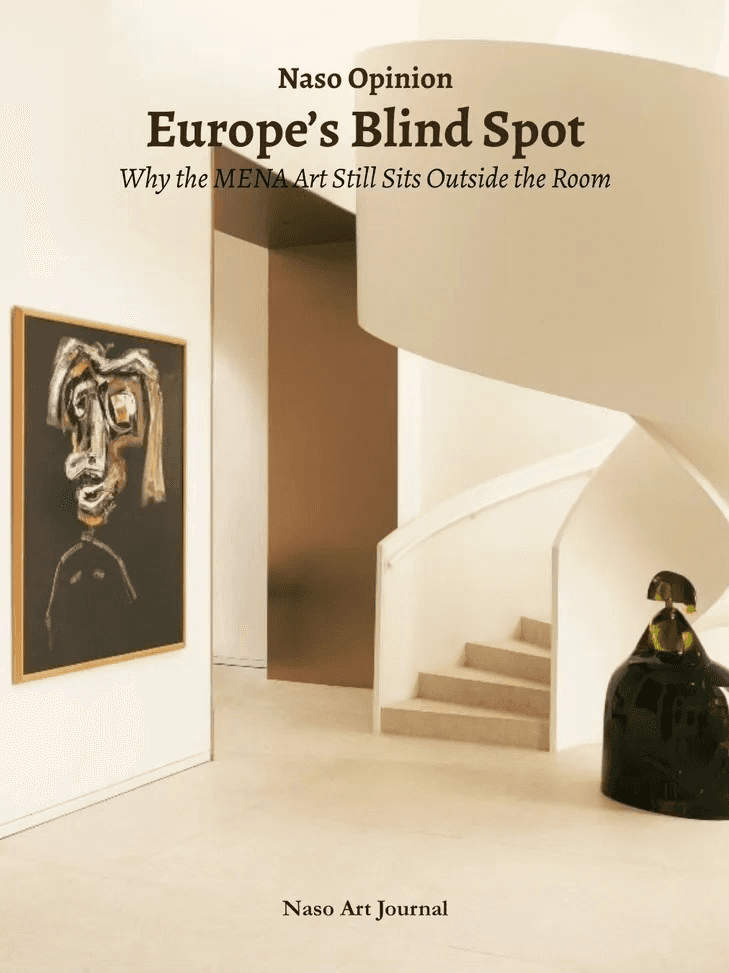
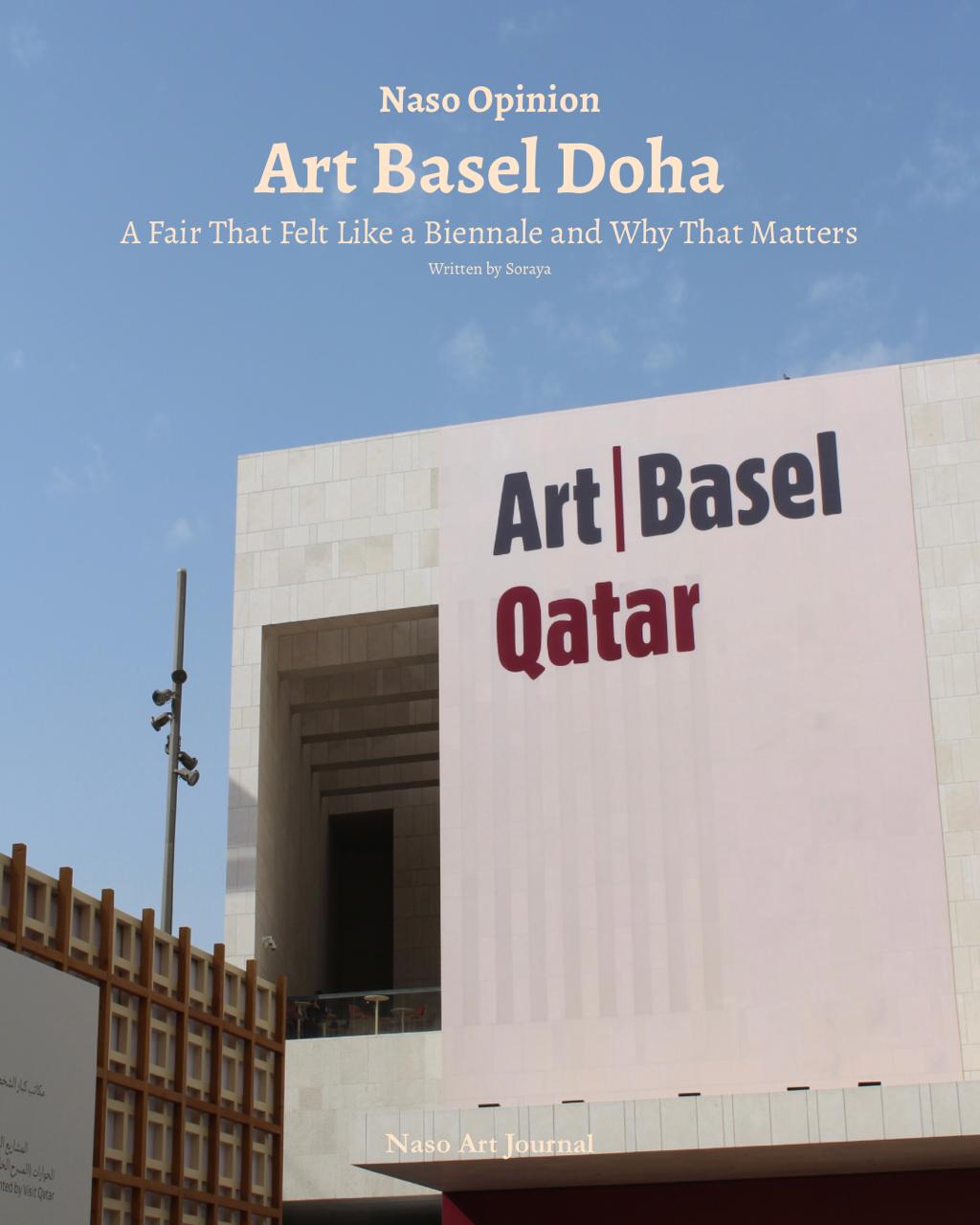
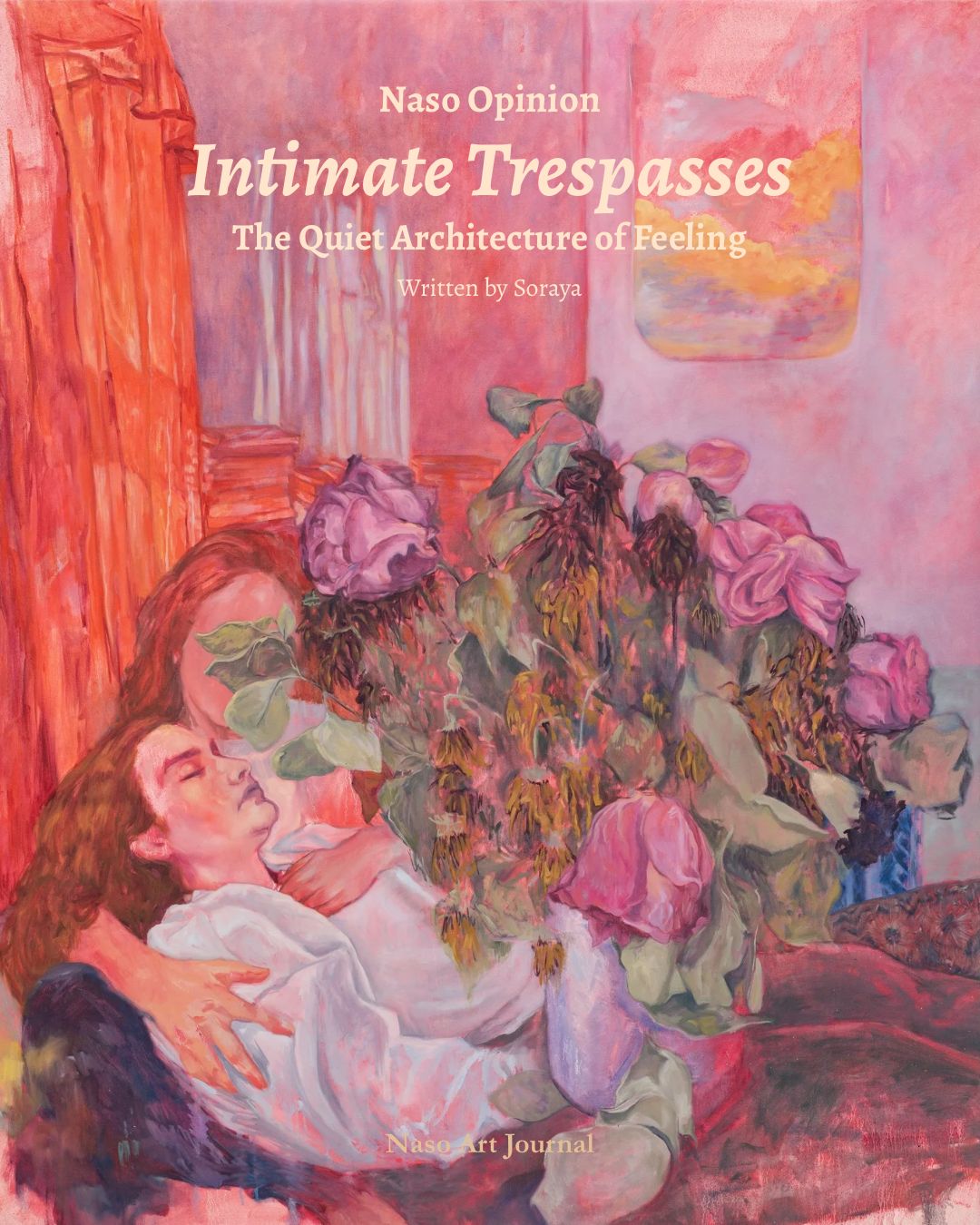
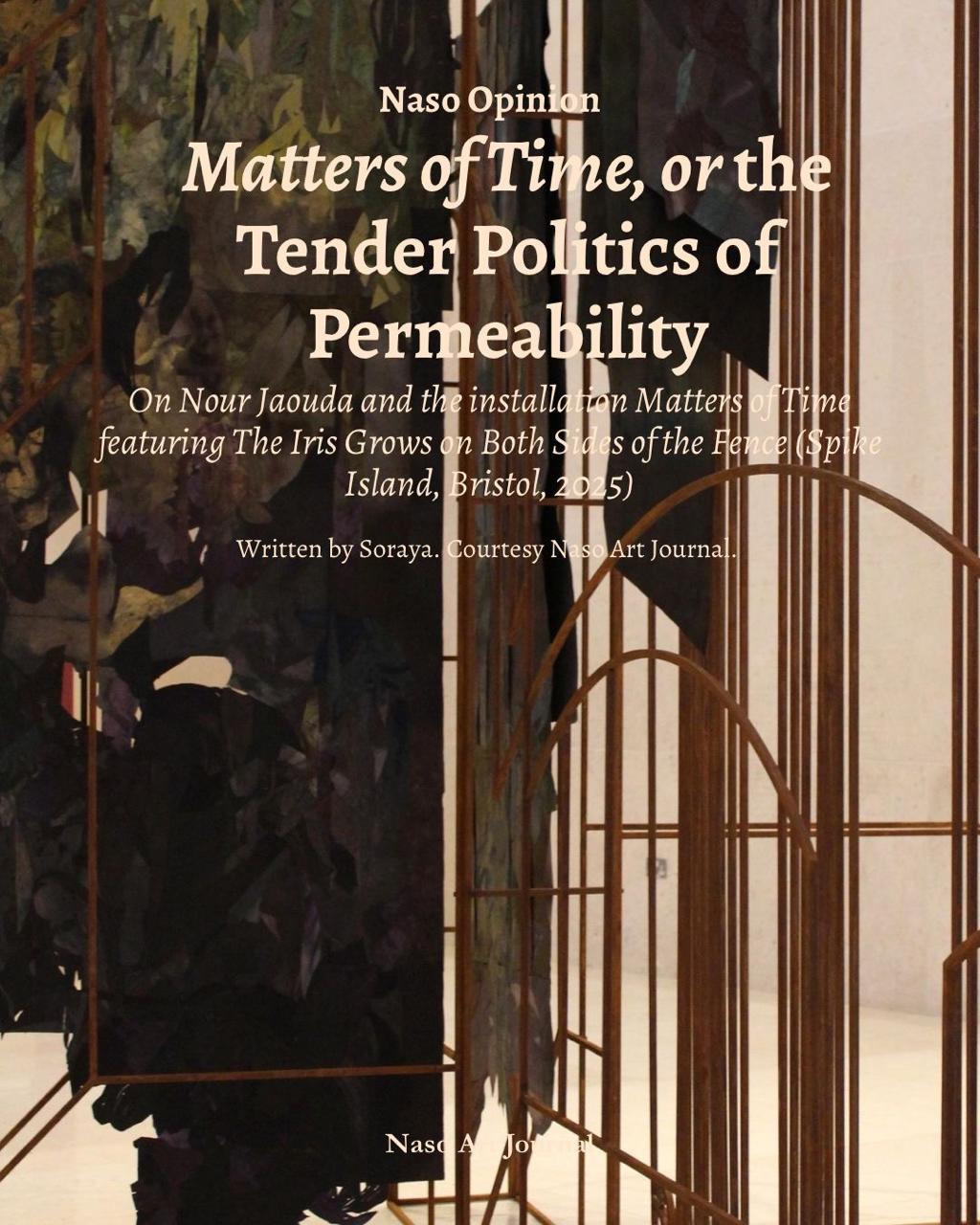
Opinion Pieces
Rather than presenting history as a fixed canon, this segment approaches it as an evolving field of inquiry - open to revision, recovery, and re contextualization - translating scholarly research into clear, engaging narratives that function as a public-facing resource for students, practitioners, and readers seeking sustained knowledge beyond institutional or academic gatekeeping.
Alongside this historical foundation, the journal engages contemporary conditions through its Art Market and Perspectives segments, examining how artistic value, visibility, and circulation are produced on the global stage. Through analytical reporting, critical essays, and curated contributions from artists, writers, researchers, and cultural practitioners, Naso creates a space for plural voices and situated knowledge to enter into dialogue with broader systems of power, access, and representation. Opinion pieces and highlights are framed as considered positions rather than reactive commentary, ensuring that cultural debate unfolds through clarity of argument and depth of reflection rather than accelerated discourse.
Naso Art Journal is structured around a core commitment to original, in-house writing developed through sustained research, close reading, and long-form narrative construction. Rather than operating as a platform for aggregation or surface-level commentary, the journal functions as an editorial space where ideas are cultivated over time, allowing artistic practices, historical trajectories, and contemporary conditions to be examined with depth, precision, and contextual care.
Writing is treated as a form of cultural production in its own right, with each text conceived not only as a response to artworks or events, but as a contribution to the intellectual and critical infrastructure through which MENA artistic practices are read, taught, and circulated within both regional and international contexts.
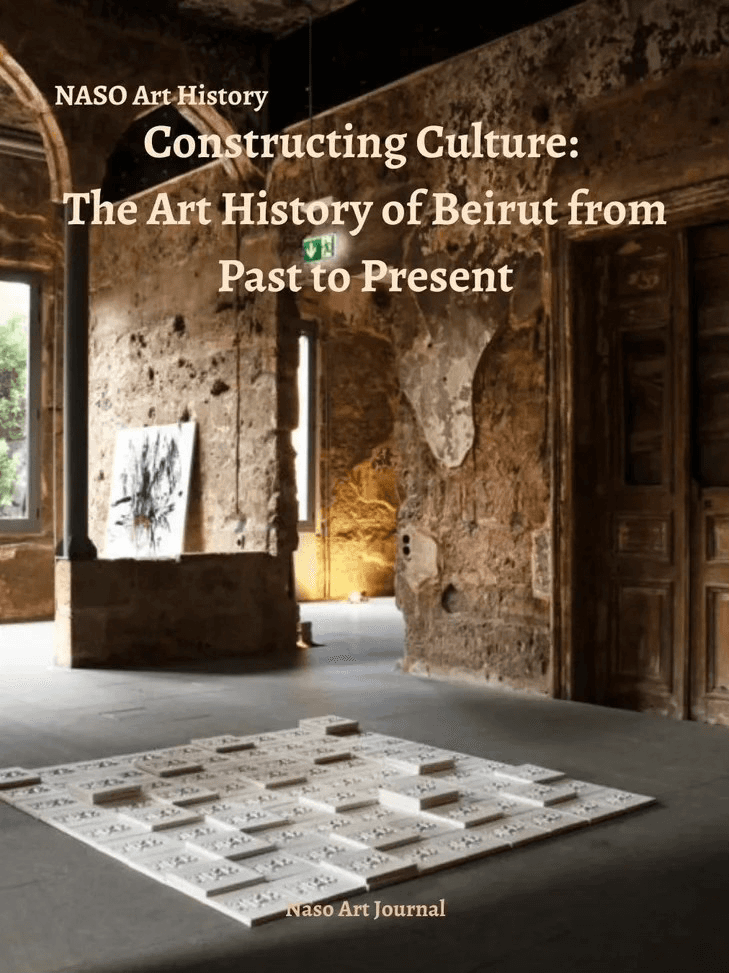
The journal’s Art History segment is dedicated to building accessible yet rigorous critical histories of the region’s artistic lineages. Through essays, profiles, and archival research, it introduces key MENA artists, pioneers, and movements, situating their work within broader social, political, and aesthetic frameworks.
Original Writing
Art History Series
Art Market and Perspectives
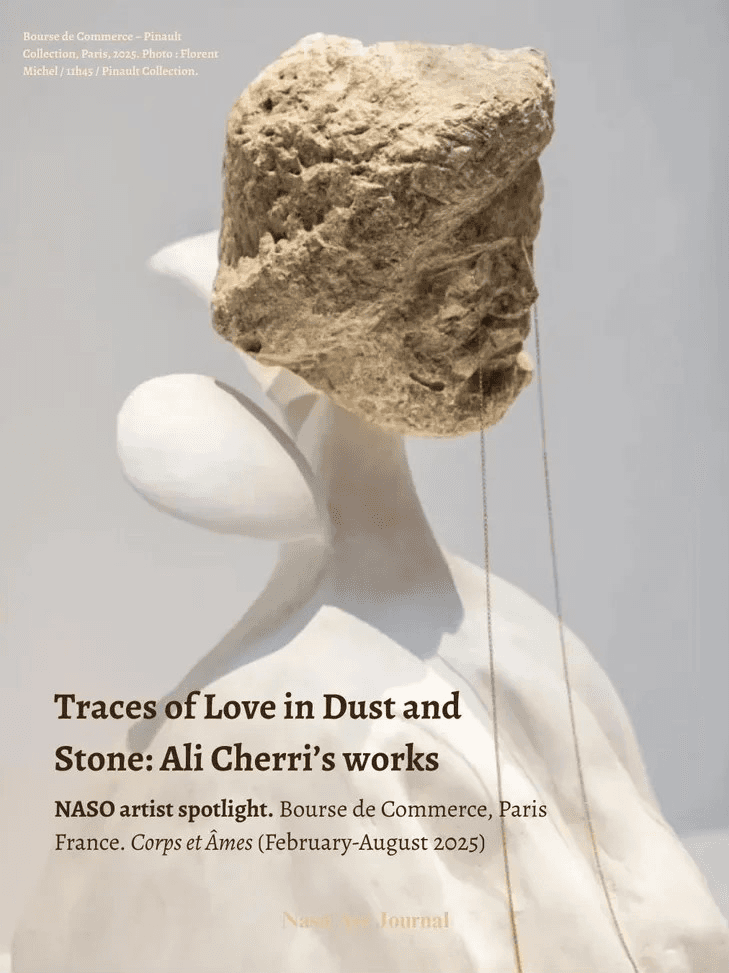
Opinion Pieces
Opinion Pieces

To get the latest updates from Naso Art Journal on the MENA Art World, and be the first to know.
Join our mailing list
About
Contact Us
Get Covered

To get the latest updates from Naso Art Journal on the MENA Art World, and be the first to know.
Join our mailing list
Get Covered
About
Contact Us